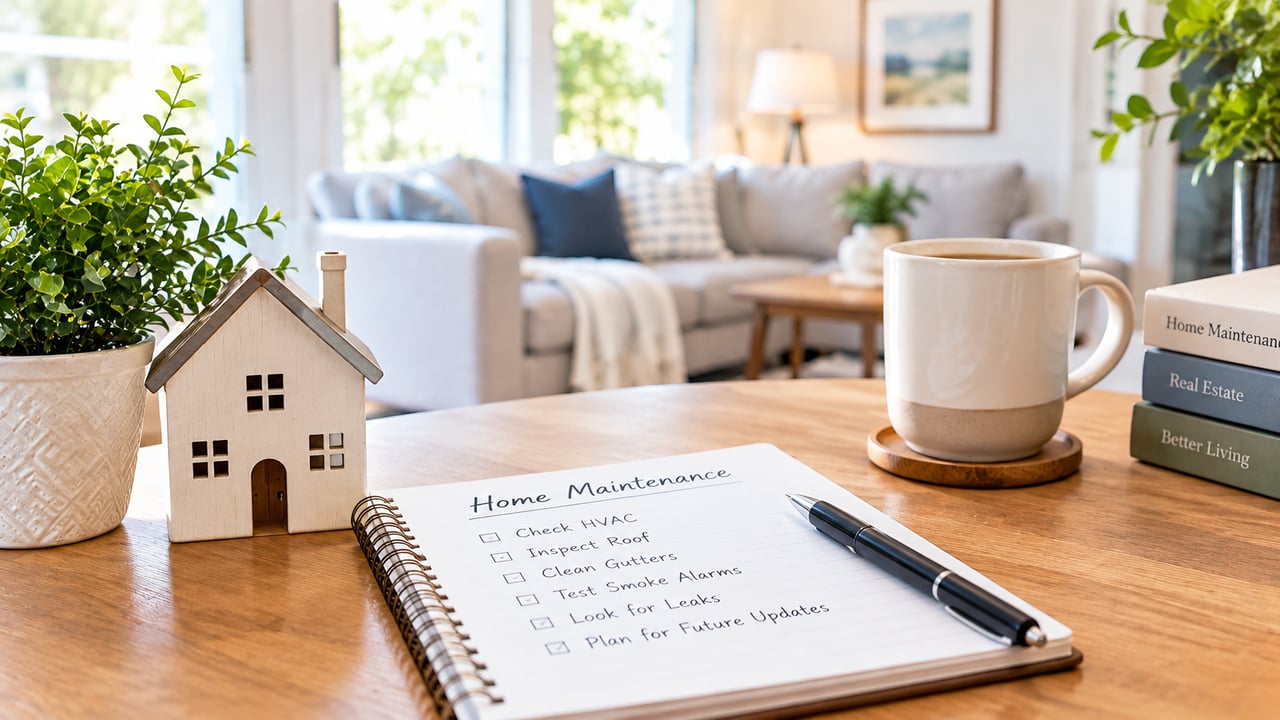
A home is more than a place to live. It's a valuable asset that deserves regular care and attention. While it's easy to focus on decorating and enjoying your space, keeping up with routine maintenance is just as important for protecting your property's condition and long-term value.
Small problems can become expensive repairs when left unattended. A minor plumbing leak, clogged gutter, or neglected HVAC system may eventually lead to bigger issues. The good news is that a consistent maintenance routine can help you catch potential concerns early and keep your home functioning as it should.
Here are practical ways to care for your home throughout the year.
🔧 1. Keep Up With Routine Inspections
You don't need to be a professional contractor to notice when something looks or sounds unusual. Make it a habit to walk through your home regularly and check for signs of wear and tear.
Look for water stains on ceilings, cracks around windows, damaged weatherstripping, loose railings, and unusual odors. Check under sinks for leaks and pay attention to changes in how doors and windows open or close.
Addressing concerns early can help prevent minor issues from becoming more disruptive and costly.
🌬️ 2. Maintain Your Heating and Cooling Systems
Your heating, ventilation, and air conditioning systems play an important role in indoor comfort and air quality. Neglecting them can reduce efficiency and contribute to avoidable repair costs.
Replace or clean air filters according to the manufacturer's recommendations. Keep vents clear of furniture and dust, and arrange professional servicing when appropriate.
If you notice unusual noises, weak airflow, or inconsistent temperatures, have the system checked rather than waiting for it to stop working.
💧 3. Prevent Water Damage Before It Starts
Water damage can affect walls, flooring, cabinets, and even a home's structural components. Regularly inspect plumbing fixtures, visible pipes, water heaters, and areas around appliances that use water.
Make sure gutters and downspouts direct water away from the foundation. Check exterior drainage after heavy rain, and keep an eye out for pooling water near the house.
It's also helpful to know where your main water shutoff valve is located so you can act quickly if a pipe bursts or a major leak occurs.
🏠 4. Pay Attention to Your Roof and Exterior
Your home's exterior helps protect everything inside from weather and environmental wear. Inspect the roof from a safe vantage point for visible damage, missing shingles, or signs of deterioration.
Keep gutters clear, check exterior caulking around windows and doors, and repair damaged siding or peeling paint as needed. Trees with branches close to the roof may also require attention.
For roof inspections or repairs that involve heights or potential hazards, hire a qualified professional rather than attempting the work yourself.
🔥 5. Make Safety a Regular Priority
Home maintenance isn't only about appearance. It also involves making sure your property remains safe for everyone who lives there.
Test smoke alarms and carbon monoxide alarms where applicable, following the manufacturer's instructions. Replace batteries or devices as recommended, and keep fire extinguishers accessible where appropriate.
Inspect electrical outlets and cords for visible damage, avoid overloading circuits, and have electrical concerns assessed by a qualified electrician. Keep emergency exits accessible and review your household's emergency plan.
🌿 6. Maintain Your Yard and Outdoor Spaces
A well-maintained yard can make everyday living more enjoyable while helping protect your property.
Trim overgrown plants away from the house, remove dead branches, and keep walkways clear. Check fences, decks, steps, and outdoor railings for loose or damaged components.
Proper landscaping can also help manage drainage and reduce the risk of water collecting near the foundation. Choose plants suited to your local conditions to make outdoor upkeep easier over time.
🗓️ 7. Create a Seasonal Home Maintenance Checklist
One of the easiest ways to stay organized is to divide maintenance tasks throughout the year instead of trying to handle everything at once.
📅 Monthly
Test safety alarms, check for leaks, clean range hood filters as needed, and inspect frequently used fixtures.
☀️ Spring and summer
Inspect exterior paint, review drainage, service cooling equipment, and maintain landscaping.
🌧️ Fall and winter
Check weatherproofing, clear gutters where applicable, inspect heating systems, and prepare for local seasonal weather.
Adjust your checklist to your home's age, climate, equipment, and specific maintenance needs. Keep receipts and records of completed work so you can track repairs and plan future expenses.
💰 8. Budget for Repairs and Future Improvements
Even a well-maintained home will eventually need repairs or replacements. Setting aside money for routine upkeep can help you manage unexpected expenses without putting unnecessary pressure on your household budget.
Prioritize urgent safety concerns, active leaks, and problems that could cause further damage. Then plan for longer-term needs, such as replacing aging appliances, repainting, or updating worn flooring.
Keep in mind that maintenance and upgrades are not always investments that return their full cost in resale value. Focus first on preserving the home's condition, safety, and functionality.
🌟 A Little Care Today Can Make a Difference Tomorrow
Maintaining a home doesn't have to be overwhelming. By checking essential systems, preventing water damage, keeping safety equipment in working order, and following a manageable schedule, you can help protect your property and enjoy a more comfortable living environment.
Regular upkeep may also make future home inspections and property assessments easier by helping you identify issues before they become major concerns.
Your home deserves care beyond the occasional repair. Start with a simple checklist, tackle one task at a time, and build habits that support your home's long-term condition and value.